
Dog FHO Surgery: What to Expect Before and After
Before and after FHO surgery, a dog moves through three clear stages: a thorough pre-surgical evaluation, a procedure that removes the damaged ball of the hip joint, and a recovery period that typically lasts six weeks to a few months while a new “false joint” forms. Most dogs start using the leg within days and go on to live comfortable, active lives. Femoral head ostectomy (FHO) is a hip surgery veterinarians recommend when the head of the femur is damaged beyond repair by a fracture, a dislocation, Legg-Calvé-Perthes disease, or severe hip dysplasia. Removing the painful bone-on-bone contact allows the body to build a cushion of fibrous scar tissue that supports the leg. At Countryside Animal Clinic in Beverly Hills, FL, we understand that hip surgery can feel overwhelming. This guide explains what to expect before and after FHO surgery for your dog, from the first consultation through the long-term outlook.
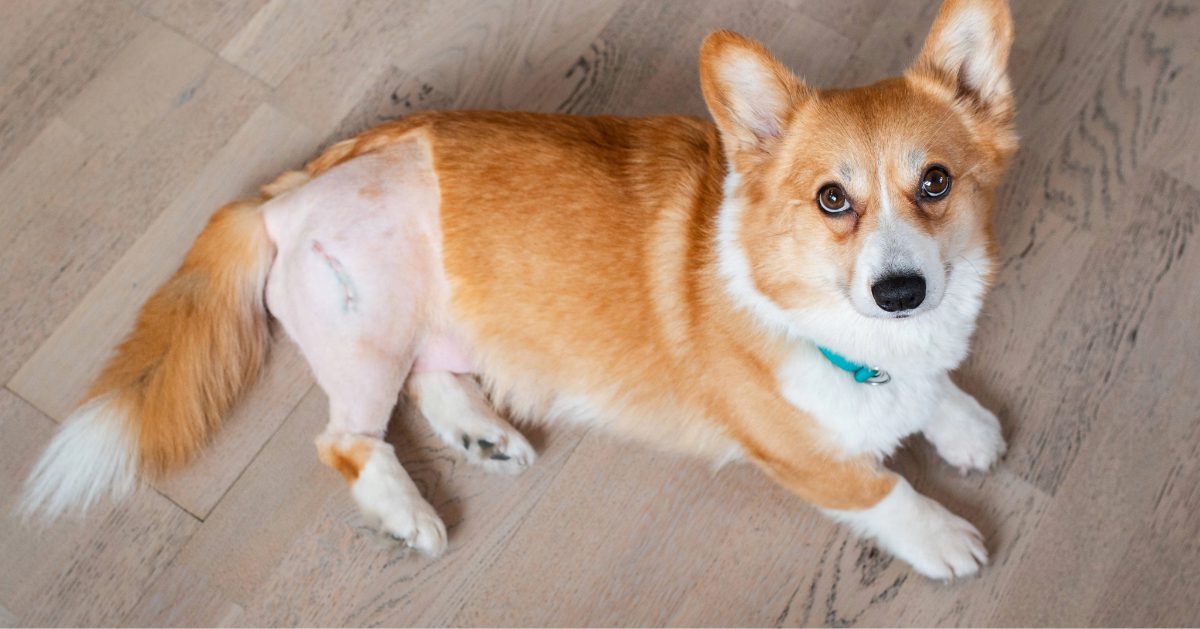
What Happens Before FHO Surgery in Dogs?
The weeks leading up to the procedure are about confirming that FHO is the right choice and setting your dog up for a smooth recovery.
The Pre-Surgical Exam and Imaging
Your veterinarian starts with a full physical and orthopedic exam, watching how your dog stands, walks, and responds when the hip is gently moved. X-rays confirm what is happening inside the joint and help rule out other conditions that could explain the limp. Pre-anesthetic bloodwork checks organ function so the surgical team can choose the safest anesthesia plan for your pet. If your dog has other health concerns, such as heart disease or obesity, the team may adjust timing or recommend additional testing first.
This visit is also your chance to ask questions. Many owners want to know how FHO compares with a total hip replacement, how long the hospital stay lasts, and what the recovery timeline looks like for their specific dog. Clear answers up front make the weeks after surgery far less stressful.
Preparing Your Home for Recovery
A little planning before surgery day pays off once your dog comes home. Owners who set up the space in advance tend to feel calmer during the first critical week. Helpful steps include:
- Choosing a small, quiet room or an appropriately sized crate where your dog can rest without room to run
- Laying down rugs or yoga mats over slick tile, laminate, or hardwood floors
- Blocking access to stairs, couches, and beds with baby gates or furniture
- Picking up a supportive harness or sling if your veterinary team recommends one
- Arranging your schedule so someone can supervise closely for the first several days
The clinic will also give you specific instructions about food and water the night before surgery, so follow those exactly as written.
What Does Recovery Look Like for FHO Surgery in Dogs?
Recovery from FHO surgery happens in phases, and each one builds on the last as scar tissue forms and the surrounding muscles grow stronger.
The First Two Weeks
Most dogs go home the same day or after a short overnight stay. During the first few days, your dog will likely seem tired, sore, and reluctant to put weight on the operated leg. That is a normal part of healing. Your veterinarian will send home pain medication and a detailed care plan, and the incision usually needs a recheck and suture or staple removal around 10 to 14 days after surgery. Activity stays limited to short, controlled potty breaks on a leash.
Weeks Two Through Six
Unlike many orthopedic procedures, FHO recovery depends on early, guided movement. Using the leg encourages the false joint to form with a healthy range of motion and helps prevent muscle loss. Your veterinary team may introduce a structured exercise plan or refer you to a rehabilitation program that includes therapies such as underwater treadmill work. Most dogs begin toe-touching within the first week or two and bear more weight steadily over the following month.
Six Weeks and Beyond
By the six-week mark, many dogs walk with only a mild limp, and some barely limp at all. Larger or older dogs, or those that had long-standing hip pain before surgery, may need several months to reach their full potential. A follow-up exam at this stage lets your veterinarian gauge muscle mass, joint comfort, and readiness for more normal activity. Comparing your dog’s mobility before and after FHO surgery at this point is often encouraging for owners, since chronic hip pain is typically gone.
What Should You Do If Your Dog Jumps After FHO Surgery?
Even the most careful owners sometimes turn around just in time to see their dog leap off the couch or bound up the steps.
The good news is that FHO does not involve plates, screws, or implants that a single jump could loosen or break. That makes one unexpected hop less likely to cause a serious setback than it would be after a procedure like a TPLO. Still, jumping in the early weeks can strain healing tissue, irritate the incision, and cause pain that slows your dog’s progress. Stay calm, gently guide your dog back to a resting spot, and watch closely over the next 24 to 48 hours.
Signs That Warrant a Call to Your Veterinarian
Reach out to the clinic promptly if you notice any of the following after a jump or fall:
- A sudden refusal to put any weight on the leg after your dog had been using it
- Crying, whimpering, or flinching when the hip area is touched
- New swelling, bleeding, discharge, or gaping at the incision site
- Restlessness, panting, or trouble settling down that seems linked to pain
- A limp that looks noticeably worse than it did the day before
Your veterinarian may want to examine your dog in person or take new X-rays to confirm that everything is healing as expected. Avoid adjusting medications on your own while you wait for guidance.
Lowering the Odds of Another Leap
Prevention mostly comes down to environment and supervision. Keep furniture blocked off, use a leash even indoors during the first weeks, and confine your dog whenever you cannot watch directly. If your dog struggles with boredom or anxiety during strict rest, ask your veterinary team about enrichment ideas or calming options suited to your pet.
What Are the Long-Term Effects of FHO Surgery in Dogs?
For most dogs, the long-term outlook after FHO is very positive, especially when owners stay committed to the recovery plan.
Because the false joint is made of scar tissue rather than bone and cartilage, the hip will never move exactly like a normal one. Many dogs adapt so well that owners rarely notice a difference. Lasting changes your veterinarian may discuss include:
- A slight limp or altered gait, especially after vigorous play or long walks
- Reduced range of motion in the hip compared with the opposite leg
- A small amount of leg shortening that some dogs compensate for naturally
- Muscle loss in the thigh if activity and rehabilitation fall short during recovery
- Occasional stiffness after rest or during cooler weather
Factors That Shape the Outcome
Several variables influence how well a dog does before and after FHO surgery. Smaller and medium-sized dogs often achieve excellent function, though many large-breed dogs also do well with dedicated rehabilitation. A lean body weight reduces strain on the false joint for life. Dogs that receive surgery sooner, before months of disuse weaken the leg muscles, generally recover faster. Consistent follow-through on the exercise plan your veterinarian provides is one of the strongest predictors of success.
Life After Recovery
Once healed, most dogs return to walks, play, and family adventures without the chronic pain that led to surgery. Routine wellness exams give your veterinarian a chance to monitor the hip, track body condition, and spot any early signs of discomfort as your dog ages.
Partnering With Countryside Animal Clinic on Your Dog’s Hip Health
Understanding the journey before and after FHO surgery helps you feel prepared, confident, and ready to support your dog through every stage. From the first orthopedic exam to the final recheck, the team at Countryside Animal Clinic works alongside you to plan a recovery that fits your dog’s size, age, and lifestyle. We answer questions along the way, track progress at each visit, and adjust the plan when your dog needs something different.
If your dog has been limping, avoiding stairs, or showing signs of hip pain, an evaluation is the best first step. Our veterinarians can help you understand whether FHO or another treatment makes sense for your pet. Pet owners in Beverly Hills, FL, and the surrounding communities can call Countryside Animal Clinic at (352) 746-7171 to schedule an appointment and get your dog moving comfortably again.
Recent Posts
About Us
At Countryside Animal Clinic, our team is more than just a group of veterinary professionals—we’re dedicated animal lovers who treat every pet with the same care and kindness we would our own. As Fear Free Certified Professionals and Cat Friendly Practitioners, we focus on making every visit as stress-free and comfortable as possible.