What Are the Benefits of Spaying and Neutering Dogs and Cats?
Spaying and neutering can help prevent unwanted pregnancies while providing several potential health and behavioral benefits for dogs and cats.
Spaying female pets eliminates the risk of uterine infections and can reduce the risk of certain reproductive cancers. Neutering male pets eliminates the risk of testicular cancer and may reduce behaviors influenced by reproductive hormones, such as roaming, marking, or mounting.
The appropriate age for surgery can vary based on your pet's species, breed, size, health, and lifestyle. Our veterinarians can recommend when to spay or neuter your dog or cat based on their individual needs.
In addition to cats and dogs, we’re also pleased to offer spay and neuter services for potbellied pigs. These intelligent, affectionate companions have unique anatomical needs, and our team has the experience to provide them with the careful surgical care they deserve.
What Cat and Dog Soft Tissue Surgeries Does Countryside Animal Clinic Offer?
Soft tissue surgeries involve procedures on internal organs, skin, and other non-skeletal structures. Our veterinarians perform a variety of these surgeries to improve your pet’s health and quality of life.
If your pet has a suspicious lump or tumor, we can surgically remove it and perform testing to determine whether it is benign or malignant. Early intervention is key to preventing more serious health issues.
Pets, especially curious puppies and kittens, can sometimes swallow objects that become stuck in their digestive tract. We perform surgical procedures to safely remove these foreign objects and prevent life-threatening blockages or complications.
If your pet suffers from painful bladder stones, we can perform a cystotomy, a surgical procedure to remove the stones and provide relief. Left untreated, bladder stones can cause discomfort, infections, and dangerous urinary blockages.
Advanced dental disease can lead to severe infections, pain, and tooth loss. We perform extractions and other oral procedures to restore your pet’s dental health and prevent further complications.

What Orthopedic Surgeries Do We Perform for Dogs and Cats?
Orthopedic surgeries focus on treating bone, joint, and ligament issues that can cause pain and mobility problems in pets. These procedures restore movement and improve your pet’s quality of life.
-
Cranial Cruciate Ligament (CCL) Repair
A torn cranial cruciate ligament (similar to an ACL tear in people) can cause pain and instability in the knee joint, ultimately leading to painful arthritis. We perform CCL repair surgery for dogs and cats to restore function and help your pet walk comfortably again.
-
Joint Surgery
Pets suffering from joint conditions like hip dysplasia or elbow dysplasia may require corrective surgery to reduce pain, improve mobility, and prevent further degeneration of the joint.
-
Femoral Head Ostectomy (FHO)
This procedure is performed to relieve pain caused by hip conditions such as severe arthritis, hip dysplasia, or trauma. By removing the femoral head (the ball of the hip joint), the body forms a false joint with surrounding muscles, allowing pets to regain mobility and live pain-free.
-
Patellar Luxation Repair
Patellar luxation is a common orthopedic condition in pets -especially small breed dogs - where the kneecap slips out of place, causing limping, discomfort, or skipping during movement. If left untreated, it can lead to long-term joint damage. We perform patellar luxation repair surgery to realign the kneecap, stabilize the joint, and restore pain-free mobility for your pet.
How Do We Help Keep Pets Comfortable and Monitored During Surgery?
Every surgical patient receives care based on their individual health needs and planned procedure. Before surgery, our veterinary team evaluates your pet and may recommend pre-anesthetic testing to help us identify health concerns that could affect anesthesia or recovery.
During the procedure, we closely monitor your pet while maintaining their comfort and safety. Pain management is also incorporated into surgical care to help support a smoother recovery.
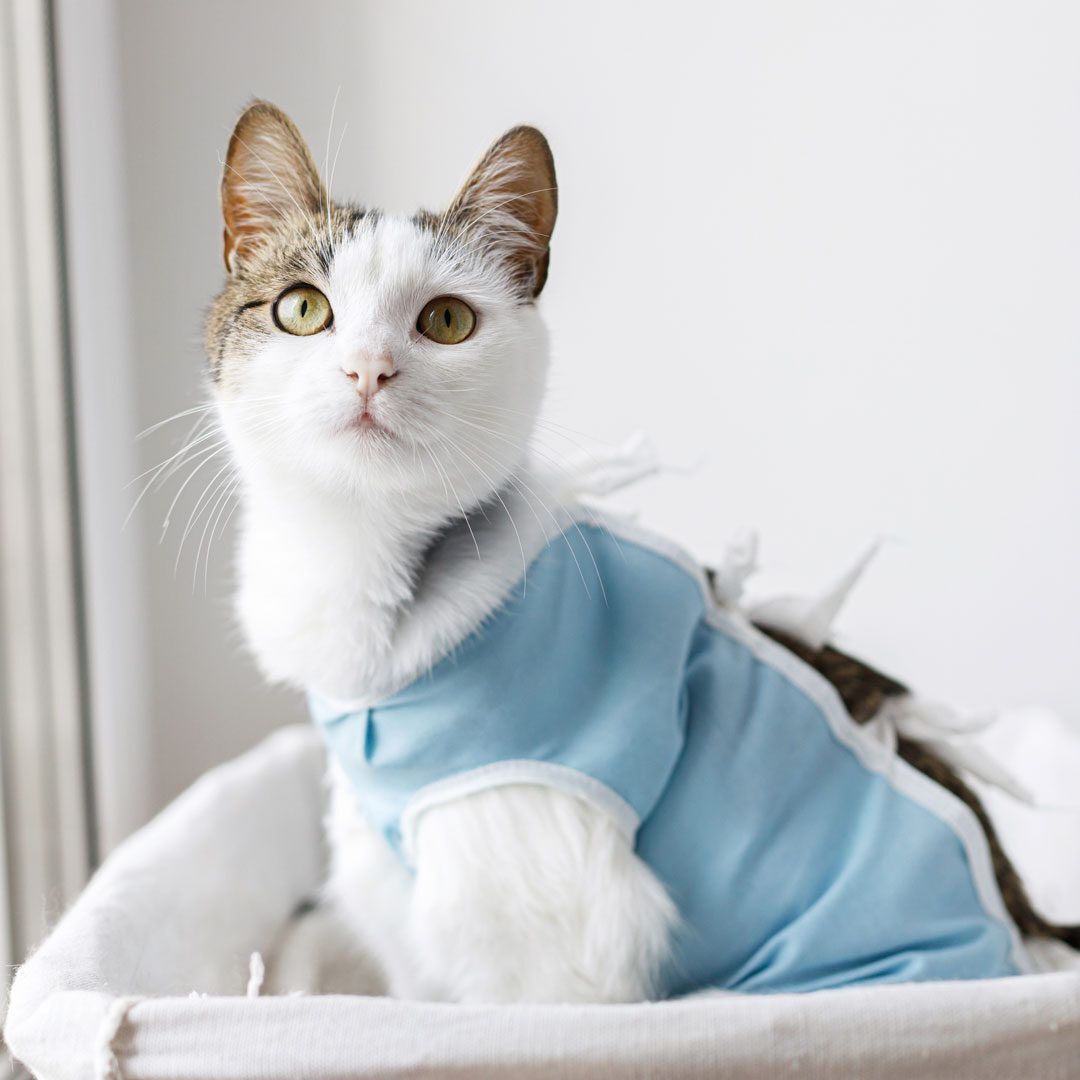
After surgery, your pet remains under observation while they wake from anesthesia. Before they go home, we will provide instructions for medications, activity restrictions, incision care, feeding, and follow-up care based on the procedure performed.
Frequently Asked Questions About Cat & Dog Surgery
Veterinary anesthesia always carries some degree of risk, but several steps can help make anesthesia safer for an individual patient. Before surgery, your veterinarian will evaluate your cat or dog's health and may recommend bloodwork or other testing to identify concerns that could affect anesthesia.
During surgery, your pet is closely monitored so the veterinary team can track important vital signs and respond to changes throughout the procedure. Your veterinarian will choose an anesthetic and pain-management plan based on factors such as your pet's age, health, size, and type of surgery.
Recovery time depends on the procedure, your pet's overall health, and how well the surgical site heals. Some pets begin feeling more like themselves within a few days after a routine procedure, while orthopedic or more involved soft tissue surgeries may require several weeks of restricted activity and recovery.
Your veterinarian will provide a recovery timeline based on your pet's specific surgery and let you know when they can gradually return to normal activity.
Your pet may seem sleepy or less active than usual when they first return home following anesthesia. Depending on the procedure, you may also need to restrict running, jumping, rough play, or other activity while the surgical site heals.
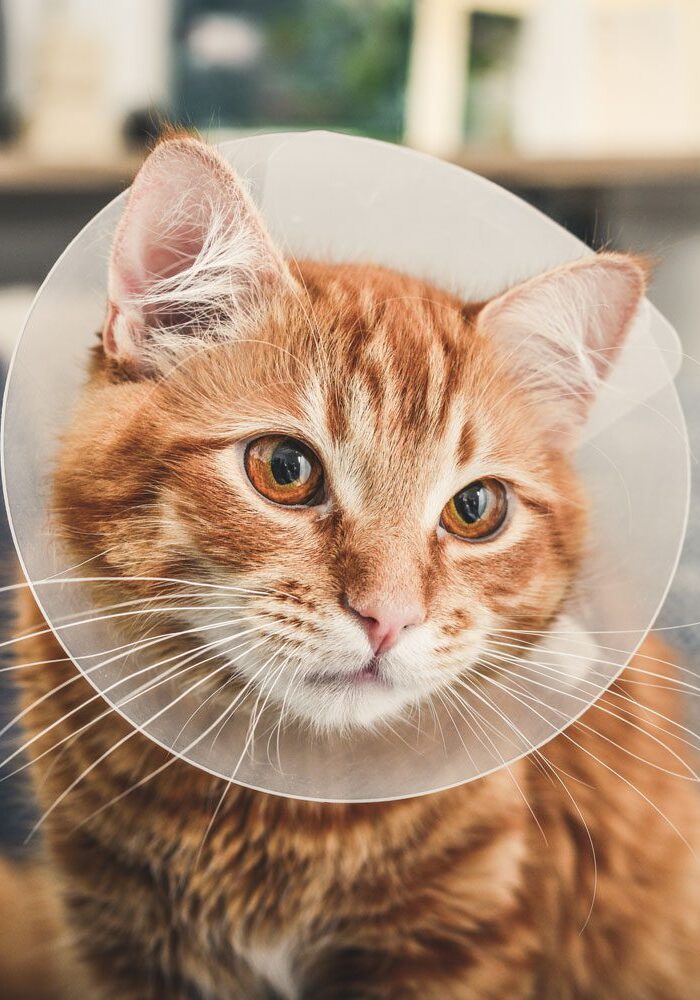
Follow the discharge instructions provided by our team, including guidance for feeding, medications, incision care, activity, and follow-up visits. Prevent your pet from licking or chewing at their incision, and contact us if you notice increased swelling, bleeding, discharge, an open incision, persistent vomiting, significant lethargy, or another concerning change during recovery.
If you are concerned about the cost of your pet's surgery, please talk with our team before the procedure whenever you can. We can provide an estimate, explain the recommended treatment plan, and discuss available payment options so you have a clearer idea of what to expect.
If your pet's condition allows for different treatment approaches, your veterinarian can also explain those options and help you understand the medical considerations associated with each one. Please call (352) 746-7171 if you have questions about the cost of a recommended surgery or available payment options.