Mass Removal Surgery in Dogs: What Pet Owners Should Know
Mass removal surgery in dogs is a procedure in which a veterinarian removes a lump, bump, or growth from the skin or underlying tissue, usually while the dog is under anesthesia. The removed tissue is often sent to a laboratory so the team can learn exactly what the growth was. Maybe you felt it while scratching behind your dog’s ear, or noticed it during a belly rub, and now you cannot stop wondering what it is. That uncertainty is exactly why veterinarians take lumps seriously.
At Countryside Animal Clinic in Beverly Hills, FL, we help families sort through their questions about every mass removal surgery case we see, from the first fingertip exam to the final result.
What Is Mass Removal Surgery in Dogs, and When Is It Recommended?
A mass removal surgery procedure takes out an abnormal growth so it can be examined, treated, or simply prevented from causing trouble later.
How the Procedure Works
Your dog receives anesthesia and pain control, and the surgical site is clipped and cleaned. The surgeon then removes the growth, usually along with a margin of surrounding tissue, and closes the area with sutures. Depending on the lump’s size and location, a mass removal surgery patient may go home the same day. Most growths are sent to a veterinary pathologist, who examines the tissue under a microscope and reports what type of growth it was and whether the edges are clear. That report guides every decision that follows, which is why many families consider the lab result as important as the surgery itself.
Reasons a Veterinarian May Recommend Removal
Not every lump needs surgery, but certain situations tip the balance toward taking it out. Your veterinarian weighs the lump’s behavior, location, and test results before suggesting a surgery plan.
- A growth that has doubled in size over a few weeks
- A lump that bleeds, oozes, or ulcerates
- A mass positioned where a collar, harness, or joint rubs it constantly
- Test results that point toward a cancerous or aggressive growth
- A benign lump that is interfering with walking, eating, or sleeping
Tests That Often Come Before Surgery
Testing is a standard first step for any mass removal surgery patient. Before scheduling surgery, the team usually examines the lump and may collect a few cells with a fine needle for a quick look under the microscope. Bloodwork helps confirm your dog is a good candidate for anesthesia, and imaging can show whether a deeper mass has spread or involves nearby structures. Having an in-house laboratory and diagnostic imaging under one roof, as we do at Countryside Animal Clinic, helps shorten the wait between a worrying discovery and a clear plan.
What Causes a Lump Under a Dog’s Skin?
Lumps appear for many reasons, and most of them have nothing to do with cancer, but only testing can tell the difference.
Common Benign Growths
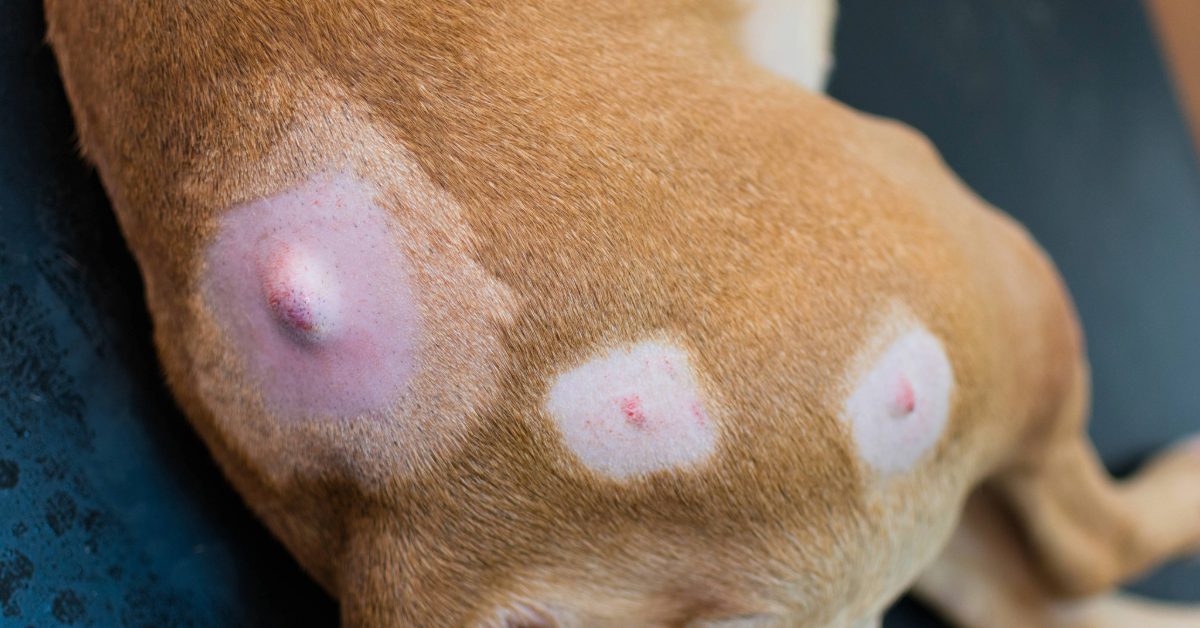
Fatty tumors called lipomas rank among the most common lumps in middle-aged and senior dogs, and they tend to feel soft and movable under the skin. Sebaceous cysts form when an oil gland becomes blocked, and warts or skin tags often show up on older dogs. Abscesses, which are pockets of infection, may form after a bite or a scratch and typically feel warm or tender. Many of these growths are harmless, yet a surgery discussion can still come up if the growth grows large, becomes irritated, or sits in an awkward spot.
Growths That Need a Closer Look
Some lumps arise from abnormal cell growth. Mast cell tumors, soft tissue sarcomas, and melanomas are among the diagnoses veterinarians find when they sample a mass. Pathology after a mass removal surgery shows which of these a growth actually was, and that answer shapes any follow-up care. Appearance alone cannot reveal which type a growth is, because a dangerous tumor can look just like a harmless fatty lump. That is why a trained veterinary team examines the cells instead of guessing. Early evaluation gives your dog more options, and a small mass is often simpler to remove than a large one.
Factors That Raise the Odds of Lumps
Age plays the biggest role, since older dogs simply develop more growths. Each case begins with that individual pet’s history, so be ready to share when your dog’s lumps first appeared and what else has changed. Breed matters too, because some breeds are known for particular skin tumors. Genetics, hormonal influences, sun exposure on thinly haired areas, and previous injuries can all contribute. A dog with several lumps may have several different kinds, so each new bump deserves its own evaluation rather than an assumption that it matches the last one.
Dog Cyst vs. Tumor: How Can You Tell the Difference?
You cannot reliably tell a cyst from a tumor by touch or by sight, so any new lump should be checked by your veterinarian.
What Cysts and Tumors Mean in Plain Language
A cyst is a closed sac, often filled with fluid, oil, or keratin. A tumor is an abnormal mass of tissue, and it can be benign or malignant. Both can feel round, firm, or slightly squishy, which explains why owners find them so hard to tell apart. A surgery consultation often begins with this exact question, and the honest answer is that cells under a microscope settle it, not a hands-on guess.
Details Worth Noting Before Your Appointment
You can make the visit more productive by noting a few specifics about the lump. These observations give your veterinarian a head start:
- The date you first noticed it and its approximate size at the time
- Whether the surface looks different, such as darker, redder, or scabbed
- Any licking, scratching, or flinching your dog directs at the spot
- A photo taken next to a coin for scale
Why Waiting Rarely Helps
Many owners hope a bump will shrink by itself, and some do. Others change quickly, and by the time a family returns to the clinic, a small and easily removed growth has become a larger project. A short exam and a few sampled cells can bring peace of mind or an early plan. A surgery recommendation made on a small lump typically means a smaller incision and a simpler recovery than one made on a large, established mass.
Is It Normal for a Dog to Have a Lump After a Vaccine?
A small, firm bump at an injection site can appear after vaccination, but any lump that lingers or grows should still be examined by your veterinarian.
Why Injection Site Lumps Happen
The body’s immune system sometimes reacts to a vaccine, which can create a small swelling under the skin where the shot was given. In many dogs this settles within a few weeks. Because it is hard to know by looking whether a bump is a routine reaction or something more concerning, the safest path is to let your veterinary team watch it. Please do not attempt to treat the spot yourself. Call our clinic at (352) 746-7171, describe what you see, and follow the guidance you receive.
When a Vaccine Lump Deserves a Call
Contact your veterinarian if the lump is still present three months after the vaccination, is larger than a centimeter, or keeps growing. A lump that appears painful, hot, or draining also warrants a prompt visit. In rare cases, a surgery plan becomes appropriate for an injection site growth that persists, and early evaluation makes those decisions easier.
Recovery After Removal Surgery
Recovery depends on the growth’s size and location, but most dogs are back to normal routines within a couple of weeks. After any mass removal surgery, your team will explain incision care, activity limits, pain control, and recheck visits in writing before your dog goes home. Following those directions closely gives the surgical site its best chance to heal well, and calling the clinic with questions is always welcome. Pathology results typically arrive within days, and your veterinarian will walk you through what they mean for your dog.
Questions About a Lump? Start With a Conversation
A new lump can feel frightening, yet many dogs go on to live long, comfortable lives after a prompt evaluation. Learning what a growth is gives you something far more useful than worry: a plan. If you have found a bump on your dog, our team at Countryside Animal Clinic can examine it, explain your options, and discuss whether a mass removal surgery makes sense for your dog. Call us at (352) 746-7171. We would be glad to help you find answers.
Recent Posts
About Us
At Countryside Animal Clinic, our team is more than just a group of veterinary professionals—we’re dedicated animal lovers who treat every pet with the same care and kindness we would our own. As Fear Free Certified Professionals and Cat Friendly Practitioners, we focus on making every visit as stress-free and comfortable as possible.