
Dog FHO Surgery: What to Expect Before and After
A sudden limp, difficulty standing, or a painful hip can change a dog’s daily life quickly. Dog FHO surgery, short for femoral head ostectomy, is a procedure that removes the ball portion of the hip joint to relieve pain and restore comfortable movement. Instead of a traditional joint, the body forms a “false joint” made of scar tissue that allows mobility without bone-on-bone friction. At Countryside Animal Clinic, we guide families through every stage of dog FHO surgery, from diagnosis through recovery, so they understand what to expect before and after the procedure. This surgery often becomes an effective option when other treatments no longer manage discomfort from hip injuries or disease. Knowing how dog FHO surgery works helps pet owners feel more confident about the process and their dog’s long-term outlook.
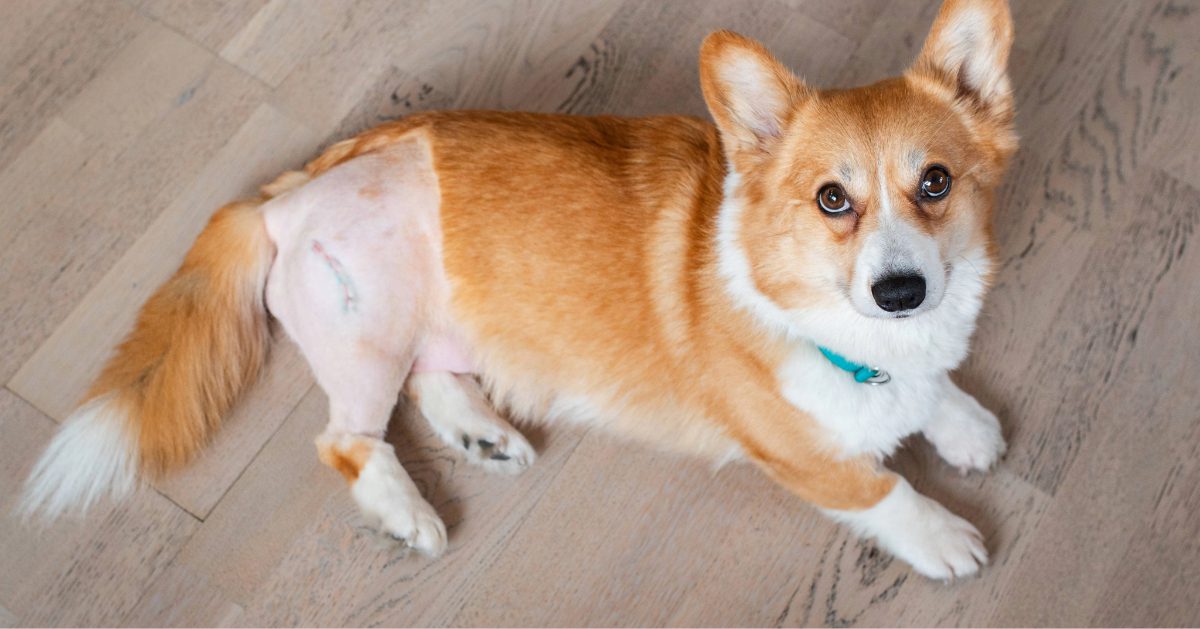
What Is FHO Surgery?
Dog FHO surgery removes the femoral head and neck, which form the ball portion of the hip’s ball-and-socket joint. When this area becomes damaged, inflamed, or unstable, each step can cause significant discomfort. By removing the painful contact point, dog FHO surgery eliminates the grinding sensation inside the joint. Over time, surrounding muscles and connective tissues create a cushioned, functional connection that supports movement. This procedure does not replace the joint with an implant, which makes it different from total hip replacement. Veterinarians often recommend dog FHO surgery for small to medium dogs, though some larger dogs also benefit when rehabilitation progresses well.
The goal of dog FHO surgery centers on pain relief and improved quality of life. Most dogs regain the ability to walk, run, and play comfortably after proper healing and conditioning. The procedure also helps restore normal posture and muscle use when pain previously limited movement. Because every dog’s anatomy and condition differ, outcomes depend on factors such as age, size, muscle tone, and the underlying cause of the hip problem. A thorough orthopedic exam and imaging allow the veterinary team to determine whether dog FHO surgery fits a pet’s specific needs. Clear communication before surgery helps families understand expected results and recovery steps.
How the “False Joint” Works
After dog FHO surgery, the body forms fibrous tissue between the femur and pelvis. This tissue acts like a soft cushion that prevents painful bone contact. Muscles surrounding the hip take on a larger role in stabilizing the limb. Consistent, gradual use of the leg encourages this new structure to develop properly. Controlled activity becomes a key part of the healing process. With time, many dogs show smooth, comfortable movement.
Why Dogs Need FHO Surgery
Several conditions can lead veterinarians to discuss dog FHO surgery as a treatment option. Trauma, such as fractures near the hip joint, often creates instability or chronic discomfort that does not resolve on its own. Hip dysplasia, where the joint forms abnormally, can also progress to painful arthritis. In some cases, blood supply to the femoral head becomes disrupted, leading to bone deterioration. These issues make routine activities like climbing stairs or jumping into the car difficult. When pain persists despite conservative care, surgery may offer the best path forward.
Common reasons veterinarians consider dog FHO surgery include:
- Severe hip fractures that involve the joint surface
- Advanced hip dysplasia with ongoing discomfort
- Legg-Calvé-Perthes disease in young dogs
- Chronic arthritis that limits mobility
Each of these problems interferes with normal joint function and causes pain during movement. Dog FHO surgery removes the source of friction and inflammation inside the hip. Once discomfort decreases, dogs can use the leg more normally, which helps rebuild strength. Restoring comfortable motion often improves mood, appetite, and overall engagement with daily activities. A comprehensive evaluation ensures surgery remains the right step for that individual pet.
What to Expect Before and After Surgery
Before dog FHO surgery, the veterinary team performs a physical exam and imaging, usually X-rays, to assess the hip joint. Pre-surgical testing helps confirm that a dog can safely undergo anesthesia. Your care team discusses medications, feeding instructions, and what to bring on the day of the procedure. Planning ahead for post-operative care makes the transition home smoother. Many families set up a quiet, comfortable recovery space before surgery day arrives. Clear expectations reduce stress for both pets and people.
After dog FHO surgery, most dogs go home with activity restrictions and a tailored recovery plan. Temporary soreness and limited weight-bearing often occur during the first days. Gradual use of the leg becomes an important part of healing, guided by veterinary instructions. Follow-up visits allow the team to monitor progress and adjust recommendations. Communication with your veterinarian remains essential during this phase. Consistent observation at home helps identify any concerns early.
Typical Immediate Post-Surgery Changes
Pet owners may notice several short-term effects after dog FHO surgery:
- Mild swelling around the surgical site
- Temporary reluctance to use the operated leg
- Lower energy as anesthesia wears off
- A need for a controlled, quiet environment
These responses generally improve as healing progresses. Gentle encouragement to stand and walk short distances supports muscle engagement. Keeping flooring non-slip reduces strain during early mobility. Maintaining a calm environment helps prevent sudden movements. Careful monitoring supports a smoother recovery period.
Recovery and Rehabilitation Tips
Recovery plays a major role in the success of dog FHO surgery. Controlled activity encourages muscle development that stabilizes the new “false joint.” Early movement, as advised by your veterinarian, helps prevent stiffness and muscle loss. Structured rehabilitation often includes guided exercises to build strength gradually. Consistency matters more than intensity during this phase. Most dogs show steady improvement over several weeks.
Helpful home-care practices often include:
- Providing a soft, supportive resting area
- Using rugs or mats to prevent slipping
- Assisting with short, controlled leash walks
- Avoiding jumping or rough play early on
These steps create a safe environment that protects healing tissues. Dogs benefit from predictable routines during recovery. Mental enrichment, such as gentle interaction or food puzzles, helps maintain emotional well-being while activity stays limited. Patience remains important as progress builds gradually. Each small improvement supports long-term function.
Veterinary-guided rehabilitation may also involve professional therapy services. Techniques such as underwater treadmill sessions or targeted exercises can improve muscle tone and range of motion. These activities support even weight-bearing and smoother gait patterns. Regular reassessment ensures the recovery plan evolves with the dog’s progress. Many dogs regain comfortable mobility and return to favorite activities with time and conditioning. Ongoing communication keeps recovery on track.
Moving Forward After Dog FHO Surgery
Dog FHO surgery often opens the door to renewed comfort and movement when hip pain once limited daily life. Understanding what to expect before and after surgery helps families feel prepared and confident. With attentive care, structured rehabilitation, and regular veterinary follow-up, many dogs enjoy active routines again. If your dog shows signs of hip discomfort or mobility changes, a professional evaluation can clarify the next steps. To learn whether dog FHO surgery may be appropriate for your pet, call Countryside Animal Clinic at (352) 746-7171 or book an appointment online. Early assessment supports informed decisions and a clearer path toward improved mobility.
Recent Posts
About Us
At Countryside Animal Clinic, our team is more than just a group of veterinary professionals—we’re dedicated animal lovers who treat every pet with the same care and kindness we would our own. As Fear Free Certified Professionals and Cat Friendly Practitioners, we focus on making every visit as stress-free and comfortable as possible.