Horse Coughing: Common Causes and When to Call the Vet
A horse coughing is a clinical sign, not just a passing annoyance. While an occasional cough can happen when a horse clears their airway, repeated or persistent coughing often points to irritation, inflammation, infection, or an underlying respiratory condition. Because horses move large volumes of air through sensitive lung tissue, even mild airway problems can affect comfort, stamina, and overall health. We encourage owners to pay attention to when the cough occurs, such as during exercise, at rest, while eating, or in the stall, because timing provides important clues. Some reasons behind a horse coughing relate to environment and management, while others require medical evaluation. Knowing what is normal, what is not, and when to involve your veterinarian helps you protect your horse’s respiratory health early.
Common Causes of Coughing in Horses
Coughing in horses stems from irritation, inflammation, infection, or structural challenges in the respiratory tract. Horses breathe in large volumes of air, which means they also inhale dust, mold spores, pollen, and other particles that can irritate delicate airway tissues. Environmental factors remain one of the most frequent triggers we see in practice, especially in barns with limited ventilation or dusty bedding. Allergens and airborne irritants can inflame the lower airways, leading to conditions such as equine asthma, which often shows up as chronic horse coughing, nasal discharge, or exercise intolerance. Infectious causes also play a role, particularly when young horses or ones who recently traveled develop respiratory signs after exposure to others. Viral and bacterial infections can affect the upper or lower airways, sometimes spreading quickly through groups of horses.
Other physical factors can also prompt coughing in horses. Feed particles, especially from dry hay, may enter the airway during eating and stimulate a cough reflex. Dental problems that affect chewing can increase this risk by altering how horses swallow. Structural issues in the throat or larynx may interfere with airflow, creating irritation that triggers persistent coughing. In some cases, parasites that migrate through the lungs can cause respiratory signs, though this occurs less often with modern parasite control programs. Because many different problems lead to a horse coughing, careful observation of patterns and associated signs helps guide the next steps.
Frequent triggers we discuss with owners include:
- Dusty hay, bedding, or arena footing
- Poor barn ventilation or high ammonia levels
- Sudden weather changes or heavy pollen seasons
- Exposure to new horses during shows or transport
- Underlying inflammatory airway disease or equine asthma
Environmental Irritants and Air Quality
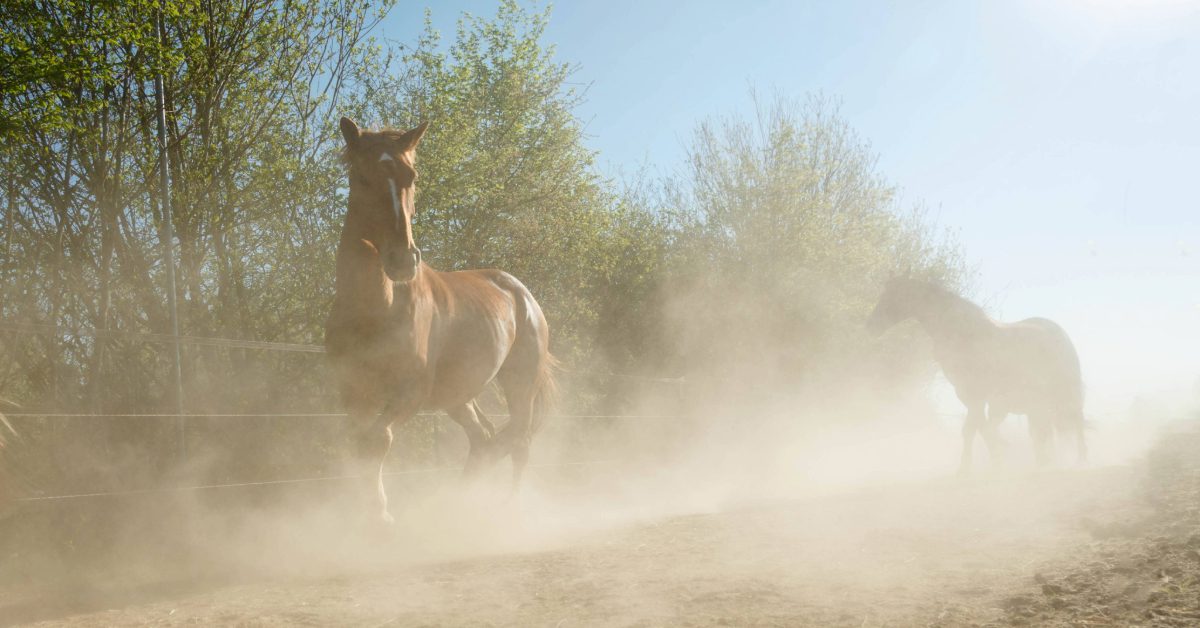
Air quality affects every breath your horse takes, and small changes can make a noticeable difference. We often find that a horse’s coughing worsens in enclosed barns where dust accumulates or airflow remains limited. Mold spores from stored hay or damp bedding can irritate the lungs, even when the environment looks clean. Ammonia from urine buildup in stalls further inflames sensitive airway tissues. Horses turned out in well-ventilated areas frequently show fewer respiratory signs than those kept indoors for long periods. Adjusting management practices can reduce exposure to irritants and lower the frequency of coughing episodes.
When a Horse’s Cough Is Concerning
An occasional cough that resolves quickly may not signal a serious issue, but patterns matter. We pay close attention when a horse’s coughing becomes frequent, lasts more than a few days, or appears alongside other signs. Respiratory disease can progress quietly, so early evaluation protects both comfort and performance. Changes in breathing effort, such as flared nostrils or abdominal push during exhalation, suggest the airways face resistance. Decreased stamina, reluctance to work, or slower recovery after exercise may also point to underlying airway inflammation. Fever, lethargy, or thick nasal discharge raise concern for infection and warrant prompt veterinary assessment.
You know your horse best, and subtle behavioral shifts often provide the first clue. A horse that coughs every time you start riding, during transitions, or at a canter may struggle with lower airway irritation. Coughing at rest, especially in the stall, signals that the airways remain irritated even without exertion. If multiple horses on the property develop signs around the same time, an infectious cause becomes more likely. Acting early helps limit spread and reduces the risk of complications.
Call us if you notice:
- Coughing that lasts more than a few days
- Fever, depression, or reduced appetite
- Thick, yellow, or green nasal discharge
- Increased breathing effort or noisy breathing
- Drop in performance or exercise tolerance
Diagnostic and Treatment Options
When you bring a horse in for evaluation of coughing, we start with a detailed history and physical examination. Information about recent travel, new horses, feed changes, or barn conditions helps us narrow possible causes. We listen to the lungs and upper airway, assess temperature, and observe breathing patterns at rest. Depending on findings, we may recommend further diagnostics to look more closely at the respiratory system. These tools help us distinguish between infectious disease, inflammatory conditions, and structural issues. Identifying the root cause allows us to create a targeted plan.
Diagnostic options vary based on each case and may include imaging, airway sampling, or endoscopic evaluation. Laboratory tests can detect infection or inflammation markers. In some situations, we assess how well the lungs exchange air during exercise. While we avoid one-size-fits-all approaches, these steps give us a clearer picture of why horse coughing occurs and how to manage it effectively. Treatment plans focus on addressing the underlying problem, reducing airway irritation, and improving overall air quality.
What to Expect During a Respiratory Workup
A respiratory workup often involves multiple steps performed in a calm, controlled setting. We may use an endoscope to view the upper airway and look for structural changes, mucus buildup, or inflammation. Sampling fluid from the lower airways can reveal the types of cells present and guide decisions about management. Imaging helps rule out deeper lung issues that cannot be detected by listening alone. Throughout the process, we explain findings in clear terms so you understand what they mean for your horse. Our goal is to combine clinical information with your observations to form a complete picture.
Prevention Tips
Preventing coughing in your horse starts with creating a clean, well-ventilated environment and maintaining strong overall health. Good stable management reduces the buildup of dust, mold, and ammonia that irritate the respiratory tract. Feeding strategies also influence airway health, since dry, dusty hay increases inhaled particles. Turnout time in fresh air supports natural lung function and reduces exposure to indoor irritants. Routine veterinary care allows us to monitor respiratory health and address small issues before they grow.
Simple management changes often make a meaningful difference. We encourage owners to evaluate barn airflow, bedding type, and feeding methods. Keeping vaccination and parasite control programs current helps lower the risk of infectious respiratory disease. Observing horses closely during seasonal changes or periods of heavy pollen can help you act quickly if signs appear.
Practical steps that support respiratory health include:
- Improving barn ventilation and air circulation
- Using low-dust bedding and storing hay properly
- Soaking or steaming hay when dust is a concern
- Providing regular turnout in clean outdoor air
- Scheduling routine wellness exams
Protect Your Horse’s Airway Health
Horse coughing may seem minor at first, but it often signals that the respiratory system needs attention. Early observation, effective management, and timely veterinary evaluation work together to protect lung health and performance. We partner with you to identify patterns, investigate causes, and guide next steps that fit your horse’s needs and lifestyle. Respiratory comfort supports everything from quiet pasture days to competitive events. If your horse shows persistent coughing or any concerning signs, call Countryside Animal Clinic at (352) 746-7171 or book an appointment online so we can take a closer look.
Recent Posts
About Us
At Countryside Animal Clinic, our team is more than just a group of veterinary professionals—we’re dedicated animal lovers who treat every pet with the same care and kindness we would our own. As Fear Free Certified Professionals and Cat Friendly Practitioners, we focus on making every visit as stress-free and comfortable as possible.