Mass Removal Surgery in Dogs: What Pet Owners Should Know
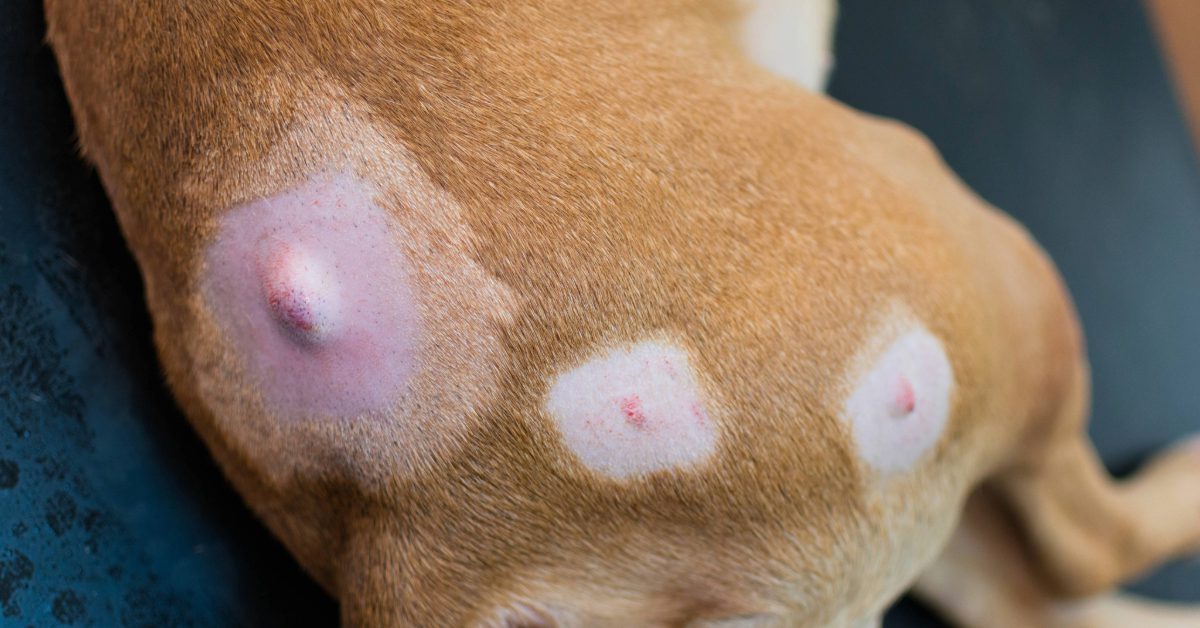
A small bump during a belly rub can stop any pet owner in their tracks. One minute you’re giving your pup a massage, and the next you feel something that wasn’t there before. That discovery often leads to questions, worry, and a call to the veterinary team. Dog mass removal surgery is a common procedure we perform to diagnose and treat lumps or growths found on or under the skin, and sometimes internally. We guide families through every step so they understand what a mass may mean, what surgery involves, and how we keep dogs safe and comfortable throughout the process. When you notice a new lump, early evaluation gives us the best chance to act promptly and appropriately. We will usually do a test known as needle aspirate to take a small sample of tissue from the mass for evaluation with a microscope. This will often tell us whether the mass is a type which should be removed.
What Is Mass Removal Surgery in Dogs?
Dog mass removal surgery refers to a procedure in which a veterinarian surgically removes a growth, lump, or tumor from a dog’s body. These masses may appear on the skin, just beneath the surface, or in deeper tissues. We perform this surgery for both diagnostic and treatment purposes. Removing a mass allows us to send tissue to a laboratory for evaluation, which helps determine exactly what type of cells are present. That information guides next steps and long-term monitoring.
During dog mass removal surgery, we focus on removing the visible mass along with a margin of surrounding tissue when appropriate. This approach helps reduce the chance that abnormal cells remain behind. Every mass looks different, and location plays a major role in how we plan the procedure. A small skin lump on the leg requires a different surgical approach than a larger growth near the chest or abdomen. We tailor each plan to the individual dog’s size, health status, and the characteristics of the mass.
Pet owners often ask if all masses require surgery. The answer depends on exam findings, growth behavior, and diagnostic results. Some lumps remain stable for years, while others change quickly. Because you see your dog daily, you play a key role in noticing changes that prompt evaluation.
Why Dogs Develop Masses
Dogs develop masses for many reasons, and not all growths are dangerous. Age, genetics, environment, and immune response all influence how cells grow and divide. As dogs get older, they develop lumps more frequenly because of natural cellular changes over time. That’s why routine physical exams matter, even when your dog seems healthy.
Common types of masses we see include:
- Fatty growths that feel soft and movable under the skin
- Cysts that form from blocked glands or hair follicles
- Inflammatory swellings related to irritation or injury
- Tumors that involve abnormal cell growth
Some masses grow slowly and remain well-defined, while others change size, shape, or texture more rapidly. You might notice redness, hair loss over the lump, or your dog licking at the area. Behavioral changes such as decreased energy or appetite can also accompany certain internal growths. These signs do not confirm a diagnosis, but they do signal that your dog needs an exam.
What to Expect Before and After Surgery
When we recommend dog mass removal surgery, we begin with a thorough pre-surgical assessment. We evaluate your dog’s overall health, review medical history, and discuss any changes you’ve noticed at home. Pre-anesthetic testing helps us understand how your dog’s organs function, which supports safer anesthesia planning. We explain the procedure, potential risks, and recovery expectations so you feel prepared.
On the day of surgery, your dog receives careful monitoring from start to finish. Our team tracks heart rate, breathing, temperature, and oxygen levels. Pain management remains a priority throughout the procedure and recovery period. After removing the mass, we close the surgical site with sutures or staples and apply protective measures as needed. We send the removed tissue for laboratory analysis to identify the type of cells involved.
After surgery, you can expect:
- A shaved area and visible incision at the surgical site
- Temporary swelling or mild bruising near the incision
- Activity restrictions while healing occurs
- Follow-up communication once lab results return
We review home care instructions in detail before discharge. Clear guidance helps you feel confident during your dog’s recovery period.
Recovery and Aftercare Tips
Recovery from dog mass removal surgery varies depending on the size and location of the mass, as well as your dog’s general health. Most dogs return home the same day and begin healing right away. Your main role focuses on observation, comfort, and preventing your dog from interfering with the incision. Rest supports healing, so we recommend limiting running, jumping, and rough play during the initial recovery phase.
At home, you can support recovery by:
- Keeping the incision clean and dry
- Using an e-collar or protective garment if your dog tries to lick
- Providing a quiet space for rest
- Monitoring appetite, energy, and bathroom habits
We ask you to check the incision daily. Mild redness and swelling often occur early on, but increasing discharge, strong odor, or widening of the incision warrants a call. Behavioral changes such as lethargy or refusal to eat also deserve attention. These observations help us determine if healing progresses as expected.
When to Contact the Veterinary Team
Even with smooth recoveries, questions often come up. Contact us if you notice persistent swelling, bleeding, or your dog seems uncomfortable. Sudden changes in behavior or new lumps should also prompt evaluation. Lab results from the removed mass guide further recommendations, which may include monitoring or additional diagnostics. Staying in communication allows us to adjust care plans as needed.
Monitoring for Future Lumps
Finding one lump often makes owners more aware of others. Regular hands-on checks at home help you spot changes early. Run your hands over your dog’s body during grooming or cuddle time. Note the size, shape, and location of any bumps you feel. If you notice growth, firmness changes, or skin irritation, schedule an exam.
Ongoing monitoring includes:
- Routine veterinary exams
- Noting any rapid changes in a lump’s size
- Watching for discomfort when a mass is touched
- Observing overall health and behavior
Dog mass removal surgery addresses existing growths, but continued observation helps protect long-term health. Early detection often leads to more straightforward treatment options.
A Proactive Step Toward Your Dog’s Comfort
Discovering a lump can feel unsettling, but prompt evaluation brings clarity and direction. Dog mass removal surgery allows us to remove concerning growths and learn more about your dog’s health. Our team at Countryside Animal Clinic works closely with you to create a plan that fits your dog’s needs and your comfort level. If you’ve found a new lump or noticed changes in an existing one, call (352) 746-7171 or book an appointment online. Taking action early supports your dog’s comfort, mobility, and overall quality of life.
Recent Posts
About Us
At Countryside Animal Clinic, our team is more than just a group of veterinary professionals—we’re dedicated animal lovers who treat every pet with the same care and kindness we would our own. As Fear Free Certified Professionals and Cat Friendly Practitioners, we focus on making every visit as stress-free and comfortable as possible.