
Dog ACL Surgery: Recovery, Costs, and Expectations
Dog ACL surgery refers to surgical repair of a torn cranial cruciate ligament (CCL) in the knee, one of the most common orthopedic injuries we see in dogs. Many families first notice a sudden limp after a playful afternoon or a limp that seems to come and go. That moment often leads to questions about pain, mobility, and long-term quality of life. Our veterinarians at Countryside Animal Clinic help pet owners understand what dog ACL surgery involves and what life looks like afterward. When we diagnose a CCL tear, we focus on restoring joint stability, improving comfort, and protecting the knee from further damage. With the right plan, most dogs return to an active, happy routine.
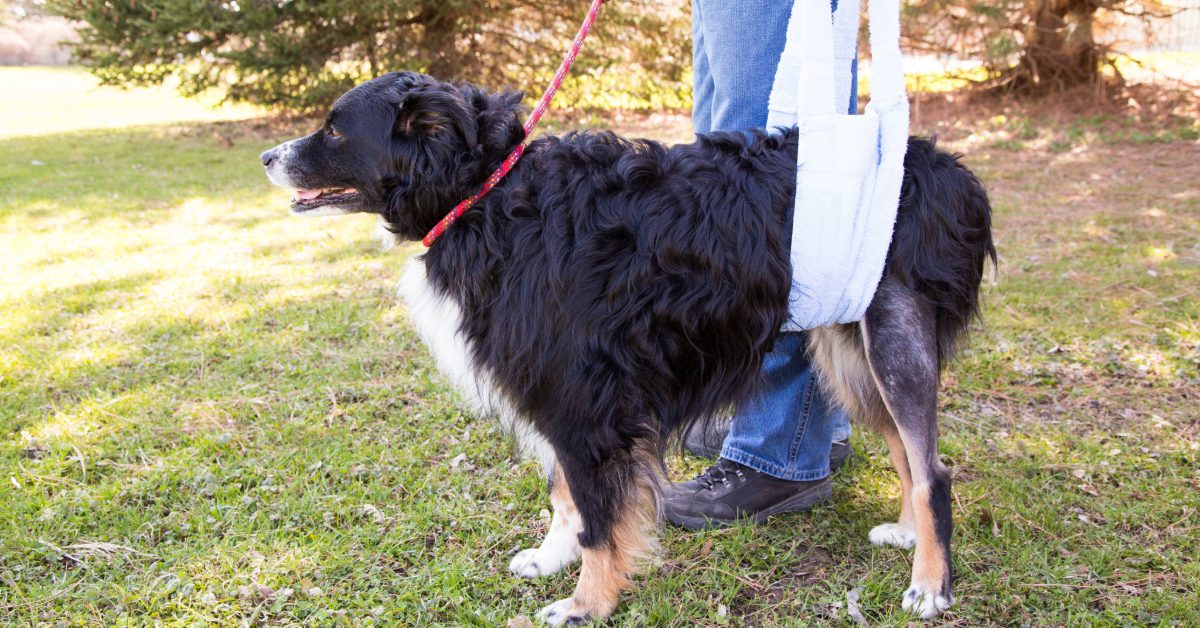
Dog ACL Tears
A dog ACL tear, more accurately called a cranial cruciate ligament tear, occurs when the ligament that stabilizes the knee joint becomes partially or completely ruptured. This ligament prevents the shin bone from sliding forward and keeps the joint aligned during movement. When it fails, the knee becomes unstable, leading to inflammation, pain, and progressive arthritis. We often see this injury in active dogs, large breeds, and dogs carrying extra weight, though any dog can develop the problem. Some tears happen suddenly during running or jumping, while others develop slowly as the ligament weakens over time. Because of this, symptoms may appear overnight or creep in gradually.
Pet owners frequently ask what signs point to a CCL injury. Common changes you may see include:
- Limping or holding a hind leg up
- Difficulty rising, jumping, or climbing stairs
- Sitting with one leg out to the side
- Swelling around the knee joint
These signs prompt us to perform a detailed orthopedic exam. We assess joint stability, range of motion, and pain response. Early evaluation helps us plan the right treatment path before secondary joint damage progresses.
Can an X-ray Show a Torn ACL in Dogs?
Many families expect an X-ray to clearly show a torn ligament, but that is not how imaging works in these cases. An X-ray cannot directly show a torn ACL in dogs because ligaments are soft tissues that do not appear clearly on standard radiographs. However, we still use X-rays as an important diagnostic tool. They allow us to evaluate the bones, joint alignment, and signs of inflammation or arthritis. We also rule out other causes of limping such as fractures, bone tumors, or hip issues. Subtle changes in the knee joint often support our diagnosis of a CCL tear when combined with our physical exam findings.
We sometimes recommend additional imaging or sedation for more accurate positioning, which helps us assess the joint more thoroughly. Our goal is to build a complete picture of the knee’s health before recommending dog ACL surgery. Clear diagnostics help us set realistic expectations about recovery and long-term joint care. While imaging plays a key role, the hands-on orthopedic exam remains one of the most valuable tools in confirming this condition. Together, these steps guide our surgical planning.
Dog ACL Surgery and Recovery
Dog ACL surgery focuses on stabilizing the knee so your dog can move comfortably again. Several surgical techniques exist, and the best choice depends on your dog’s size, activity level, and overall health. Procedures such as TPLO (tibial plateau leveling osteotomy) and Lateral Suture Stabilization aim to change how the knee handles weight-bearing forces. By addressing joint instability, we reduce pain and slow the progression of arthritis. We walk families through the surgical process, including anesthesia, monitoring, and postoperative care, so they feel prepared. Knowing what happens before, during, and after dog ACL surgery eases much of the stress surrounding the decision.
The First Two Weeks After Surgery
The early recovery period sets the tone for healing. During the first two weeks, we emphasize strict activity restriction and controlled movement. Short, leashed bathroom breaks replace free roaming, running, or jumping. Swelling and mild bruising can occur, and we monitor incision healing closely. We provide detailed home-care instructions focused on comfort, cleanliness, and observation rather than complex medical tasks. This stage protects the surgical repair while tissues begin to recover.
Weeks Three Through Eight
As healing progresses, we gradually introduce controlled rehabilitation. We may recommend structured leash walks, gentle range-of-motion exercises, or professionally guided rehab sessions. These activities build strength without overloading the joint’s structures. Muscle loss that developed before surgery slowly reverses during this stage. Many dogs begin placing more consistent weight on the leg, which encourages confidence and improved mobility. Careful progression remains essential to avoid setbacks.
Long-Term Mobility
Beyond two months, most dogs transition toward a more normal routine. We continue to stress weight management and steady exercise because these factors directly affect joint health. Even with successful dog ACL surgery, arthritis may still develop, so long-term joint support becomes part of the plan. Regular rechecks allow us to monitor progress and adjust activity recommendations. Many dogs return to walks, play, and family adventures with improved comfort. Watching them move more freely again remains one of the most rewarding parts of this process.
How Much Does Dog ACL Surgery Cost?
Cost often ranks among the first questions families ask about dog ACL surgery. The total investment varies based on surgical technique, your dog’s size, required imaging, anesthesia, and postoperative care. Advanced procedures that involve specialized equipment or implants typically fall on the higher end of the range. Pre-surgical diagnostics and follow-up visits also contribute to the overall cost. While prices differ by region and case complexity, understanding what the fee covers helps families feel more confident in their decision. We review estimates in detail so there are no surprises.
Factors that influence the cost of dog ACL surgery include:
- Type of surgical stabilization performed
- Size and weight of your dog
- Diagnostic testing before surgery
- Postoperative visits and rehabilitation needs
We encourage families to view this surgery as an investment in long-term mobility and comfort. Addressing joint instability early often reduces ongoing pain and limits future complications. Our team discusses financial planning options and helps families map out the process from diagnosis to recovery. Clear communication supports informed choices that align with both medical needs and household budgets.
A Steadier Step Forward Starts Here
Dog ACL surgery gives many dogs the chance to walk, play, and rest with greater comfort after a painful knee injury. Early evaluation, accurate diagnosis, and a well-managed recovery plan shape the best outcomes. When you notice limping, stiffness, or changes in how your dog moves, timely assessment makes a difference. We partner with you at every stage, from diagnostics through rehabilitation, so you understand each step. If you have questions about dog ACL surgery, recovery timelines, or what to expect for your dog, call (352) 746-7171. You can also book an appointment online with our team. Taking action today puts your dog on the path toward steadier movement and a more comfortable future.
Recent Posts
About Us
At Countryside Animal Clinic, our team is more than just a group of veterinary professionals—we’re dedicated animal lovers who treat every pet with the same care and kindness we would our own. As Fear Free Certified Professionals and Cat Friendly Practitioners, we focus on making every visit as stress-free and comfortable as possible.