
Feather Picking in Birds: Why Birds Pick Out Their Feathers & How to Get Them to Stop
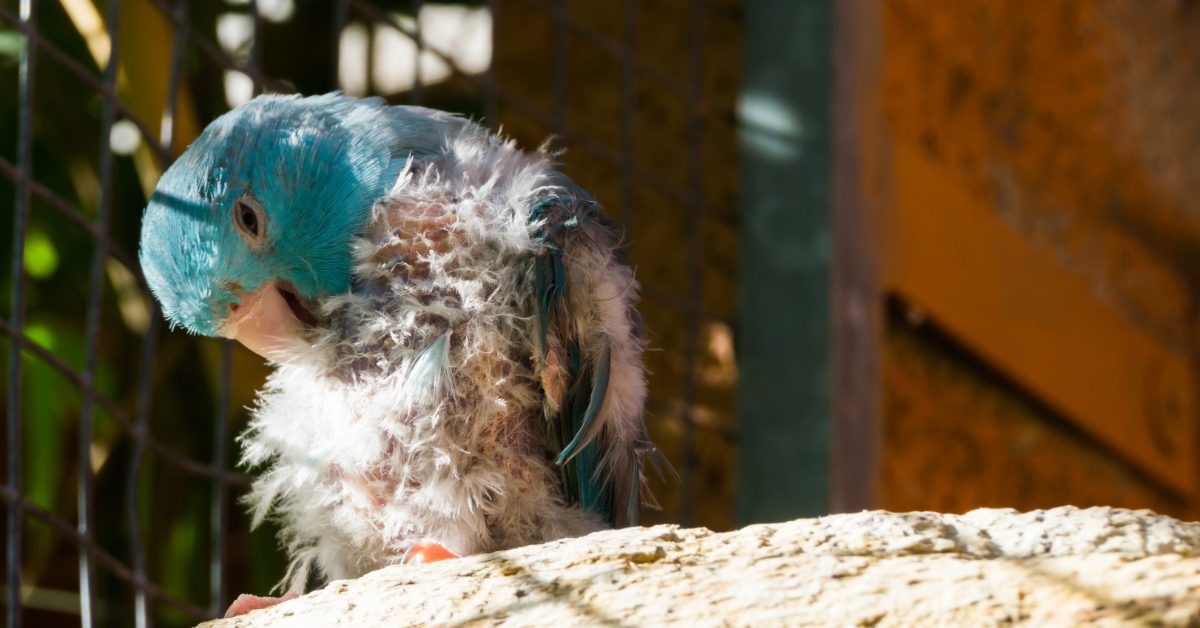
Feather picking in birds describes a behavior where a bird plucks, pulls, or damages its own feathers, sometimes to the point of bald patches or skin injury. Many bird owners first notice loose feathers at the bottom of the cage or see their companion repeatedly grooming the same spot. This behavior often starts subtly and then becomes more frequent, especially when an underlying issue goes unaddressed. Birds use their beaks for grooming, communication, and exploration, so it can be difficult to tell when normal preening shifts into a problem. Feather picking in birds usually signals that something in the bird’s physical health, environment, or emotional state needs attention. At Countryside Animal Clinic, we guide bird owners through the possible reasons behind this behavior and help them take the next step toward restoring comfort and feather health.
What Causes Feather Picking in Birds?
Feather picking in birds rarely has a single cause. Instead, it often develops from a combination of physical discomfort, environmental stress, and behavioral patterns that gradually reinforce the habit. Birds are highly intelligent and sensitive animals, and they respond quickly to changes in their surroundings, routines, and social interactions. When they experience stress or irritation, they may redirect that discomfort toward their feathers. Over time, the act of plucking can become self-soothing, which makes the cycle harder to break. Identifying the root cause requires a broad look at diet, habitat, social needs, and overall health. A careful evaluation allows a veterinary team to rule out medical problems while also exploring behavioral and environmental factors.
Common Behavioral Reasons
Some birds begin feather picking as a response to boredom or lack of stimulation. Birds in the wild spend much of their day flying, foraging, and interacting with flock members, but a home environment can feel quiet and predictable by comparison. When a bird does not have enough enrichment, toys, or social interaction, it may turn inward and focus on its own feathers. Changes such as a new household schedule, a move, or the loss of a companion bird can also increase stress. Birds form strong bonds with their caregivers, and reduced attention can affect them deeply. Over time, feather picking can shift from a stress response to a repetitive behavior that continues even after the original trigger fades.
Health and Environmental Triggers
Physical discomfort often plays a role in feather picking in birds. Skin irritation, parasites, allergies, or underlying illness can make a bird focus on specific areas of the body. If the skin feels itchy or painful, the bird may chew at the feathers in an attempt to relieve that sensation. Poor air quality, low humidity, or exposure to smoke and strong household scents can also affect the skin and respiratory system. Nutrition matters as well, since imbalanced diets may impact feather quality and skin health. When feathers grow in poorly or the skin feels dry, birds may pick more frequently. A veterinary exam helps determine whether a medical condition contributes to the behavior.
Environmental Stressors Inside the Home
The home environment strongly influences bird behavior. Sudden temperature changes, loud noises, or a cage placed in a high-traffic area can keep a bird on edge. Some birds become anxious when they cannot see their caregivers regularly, while others feel stressed if they never have a quiet place to rest. Lighting patterns also matter, since irregular light cycles can disrupt normal sleep. A lack of predictable routine may increase anxiety and trigger feather picking in birds that already feel uncertain. Small adjustments in cage placement, lighting, and daily schedule often make a meaningful difference.
How to Stop Feather Picking
Stopping feather picking in birds requires patience and a well-rounded plan. Quick fixes rarely solve the issue, because the behavior usually reflects deeper needs. Owners often see improvement when they address both physical comfort and emotional well-being. Providing daily structure and mental stimulation helps redirect a bird’s focus away from its feathers. Gentle environmental changes can reduce stress and support healthier grooming habits. Consistency matters, since birds respond best to predictable care. A veterinary team can guide owners through adjustments while monitoring overall health.
- Offer a variety of safe toys that encourage chewing, climbing, and problem-solving
- Rotate enrichment items regularly to maintain interest
- Provide opportunities for supervised out-of-cage time and interaction
- Maintain a stable daily routine for feeding, sleep, and social time
- Use regular misting or bathing, if appropriate, to support skin comfort
These steps do not replace veterinary care, but they often complement medical evaluation and behavior guidance. Over time, birds that feel mentally engaged and physically comfortable may reduce feather picking.
When to See a Veterinarian
Feather picking in birds always warrants a conversation with a veterinary professional, especially if you notice skin redness, bleeding, or large bald areas. Early evaluation increases the chance of identifying a treatable cause before the behavior becomes deeply ingrained. A veterinarian may review diet, environment, and recent life changes while performing a physical exam. Diagnostic testing may be recommended to rule out infection, parasites, or other health concerns. Even when the cause appears behavioral, medical factors often overlap. Professional guidance helps owners create a plan tailored to the bird’s species, age, and living conditions.
If your bird shows signs of feather damage, schedule an exam with Countryside Animal Clinic. Our team works with bird owners to understand why feather picking in birds develops and how to address it safely. Call (352) 746-7171 or book an appointment online to discuss your bird’s behavior and environment.
Restoring Healthy Feathers Starts With the Right Clues
Feather picking in birds can feel discouraging, but it also provides important information about your bird’s needs. This behavior often reflects a mix of physical sensations, environmental factors, and emotional stress. With careful observation and veterinary partnership, many birds experience improvement over time. Paying attention to daily routines, enrichment, and overall comfort supports healthier preening habits. Early action prevents minor issues from becoming long-term patterns. Your bird’s feathers tell a story, and the right guidance helps you respond with confidence.
Recent Posts
About Us
At Countryside Animal Clinic, our team is more than just a group of veterinary professionals—we’re dedicated animal lovers who treat every pet with the same care and kindness we would our own. As Fear Free Certified Professionals and Cat Friendly Practitioners, we focus on making every visit as stress-free and comfortable as possible.