
Feather Pecking in Chickens: Why Do Chickens Peck Each Other
The dynamics of a backyard flock can change quickly when one hen starts pulling feathers from another. Feather pecking in chickens describes a behavior where birds repeatedly peck, tug, or remove feathers from flockmates, sometimes leading to bald patches, skin irritation, or wounds. Many owners first notice scattered feathers in the coop or a hen with thinning plumage along her back or tail. This behavior often begins subtly, then spreads through the group if the cause remains unaddressed. Chickens peck each other for several reasons, and most relate to environment, flock dynamics, or underlying health stressors. Our team at Countryside Animal Clinic helps poultry owners understand why feather pecking in chickens occurs and what practical steps can reduce the risk.
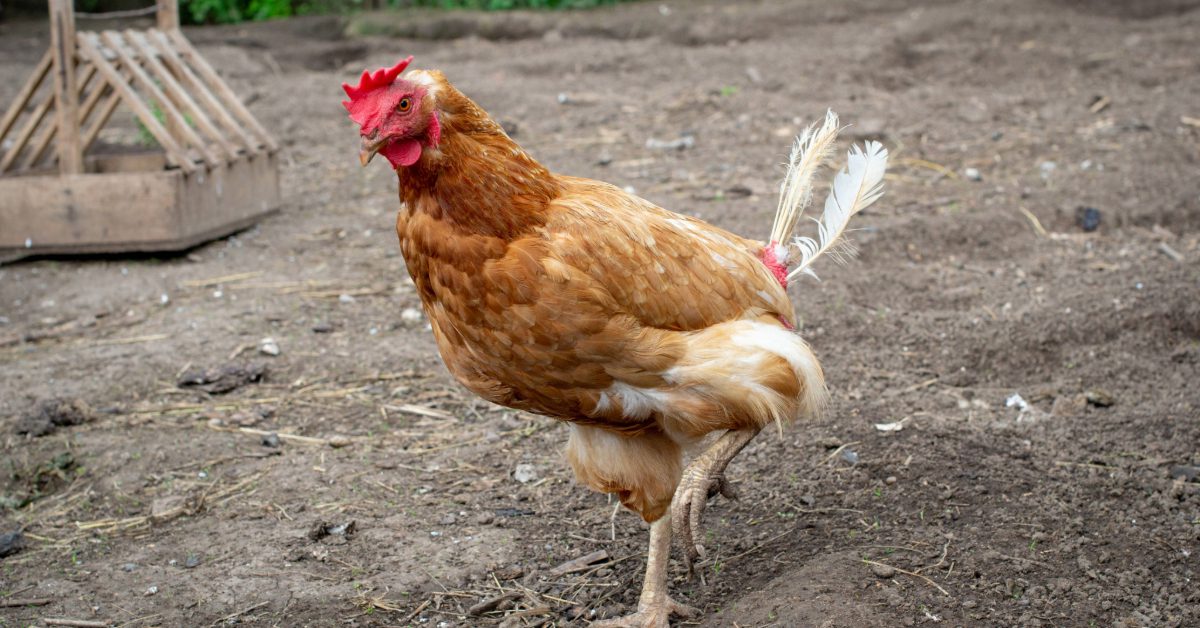
Why Chickens Peck Each Other
Chickens use their beaks to explore the world, establish social order, and communicate. Gentle pecking can be part of normal flock interaction, especially when birds sort out the pecking order. Trouble develops when pecking becomes persistent, forceful, or targeted at feathers and skin. Feather pecking in chickens often escalates when one bird shows a visible difference, such as new feather growth, a wound, or unusual coloration that attracts attention. Other hens may fixate on that spot, turning curiosity into a damaging habit. Once a pattern forms, flockmates may copy the behavior, making it a group issue rather than a single-bird problem.
Environmental pressure also drives why chickens peck each other. Chickens evolved to forage, scratch, and move throughout the day. When space, enrichment, or resources feel limited, birds redirect natural behaviors toward each other. Overcrowding, poor ventilation, and inconsistent lighting schedules can increase tension within the coop. Even subtle stressors, like frequent flock changes or predator activity nearby, may push birds toward feather pecking. Understanding these behavioral roots helps owners respond in ways that address the source rather than only the symptoms.
Common Causes of Feather Pecking
Feather pecking in chickens rarely has one single trigger. Several factors often combine, creating conditions where the behavior takes hold and spreads. Recognizing these influences early can limit escalation and protect flock health.
Stress and Environmental Pressure
Chickens react strongly to their surroundings. Limited coop space, inadequate nesting areas, or too few feeders can create competition and frustration. Sudden changes, such as moving birds to a new enclosure or introducing unfamiliar flockmates, also raise stress levels. Loud noises, extreme temperatures, or poor air quality add additional strain. Under stress, birds may become more reactive and turn to feather pecking as a displaced behavior. Owners who improve space, airflow, and flock stability often see a noticeable drop in pecking activity.
Nutrition Imbalances
Feathers consist largely of protein, so diet plays a direct role in feather condition and behavior. If hens lack adequate protein or key nutrients, they may begin pecking at feathers as a misguided attempt to compensate. Inconsistent feed access or poor-quality rations can contribute to this problem. Rapid changes in diet may also upset normal behavior patterns. While feed adjustments require careful consideration, ensuring a balanced ration that matches the birds’ life stage supports healthy plumage and reduces risk.
Boredom and Lack of Stimulation
Chickens spend much of their day foraging in natural settings. A bare coop with little to explore leaves birds with idle time. Without scratching materials, perches, or varied surfaces, hens may focus attention on flockmates instead. This type of feather pecking in chickens often appears in otherwise healthy birds housed in low-enrichment environments. Adding safe objects to investigate and areas to scratch can redirect natural behaviors away from other hens.
How to Stop Feather Pecking
Addressing feather pecking in chickens involves both immediate steps and longer-term management changes. Early action reduces injury and limits the chance that the habit spreads.
First, observe the flock closely. Identify whether one or several birds initiate the pecking. Removing a persistently aggressive hen from the group for a short period can break the cycle and give injured birds time to recover. Separating affected hens also prevents further damage while feathers regrow. Owners should check birds daily for bald spots, redness, or open areas that could attract additional pecking.
Next, evaluate the coop setup. Increase available space if birds appear crowded, and ensure multiple feeding and watering stations exist so hens do not compete. Improve lighting by avoiding overly bright, harsh conditions that can stimulate pecking. Provide visual barriers, such as partitions or objects, so birds can move out of each other’s line of sight. These adjustments reduce tension and make the environment feel less confrontational.
Owners can also introduce safe enrichment to shift focus away from flockmates. Hanging vegetables, scatter feeding, or adding areas for dust bathing encourage natural behaviors. Chickens that stay busy pecking at appropriate materials are less likely to target feathers. While these steps support flock well-being, any severe injury, persistent feather loss, or sudden behavior change warrants veterinary evaluation. Calling (352) 746-7171 or booking an appointment online allows our team to assess potential health or management factors contributing to feather pecking in chickens.
Prevention and Flock Management Tips
Preventing feather pecking works best when owners take a proactive approach to flock care. Thoughtful management lowers stress and supports stable social dynamics.
- Provide adequate coop and run space so birds can move freely without constant contact.
- Offer multiple feeding and watering points to reduce competition and guarding behavior.
- Maintain a consistent light cycle that mirrors natural day and night patterns.
- Keep the coop clean and well-ventilated to limit respiratory stress and discomfort.
Flock composition also matters. Introduce new birds gradually and monitor interactions during the first several days. Sudden additions often disrupt the pecking order and trigger feather pecking in chickens. Watching for early signs, such as focused pecking at new feather growth, allows owners to intervene quickly. Routine health checks help identify issues like parasites or skin irritation that may attract unwanted attention from other hens.
Enrichment should remain an ongoing part of flock care rather than a one-time fix. Rotate objects, vary foraging opportunities, and provide materials for scratching and dust bathing. Chickens that engage in natural behaviors show lower rates of harmful pecking. Balanced nutrition, steady routines, and a calm environment form the foundation of prevention. When questions arise about flock behavior, professional guidance can clarify whether management changes or medical evaluation may be needed.
A Calmer Coop Starts with Early Action
Feather pecking in chickens often signals that something in the flock’s environment or routine needs adjustment. While the behavior can look alarming, many cases improve when owners address stress, enrichment, and space concerns. Watching your birds closely, responding to early signs, and maintaining consistent care can limit injuries and restore harmony within the coop. If feather loss, wounds, or persistent pecking continue, a veterinary exam helps rule out underlying concerns and supports a tailored plan. The team at Countryside Animal Clinic can review flock management, evaluate affected hens, and guide next steps. Call (352) 746-7171 or schedule an appointment online to keep your flock comfortable, healthy, and productive.
Recent Posts
About Us
At Countryside Animal Clinic, our team is more than just a group of veterinary professionals—we’re dedicated animal lovers who treat every pet with the same care and kindness we would our own. As Fear Free Certified Professionals and Cat Friendly Practitioners, we focus on making every visit as stress-free and comfortable as possible.